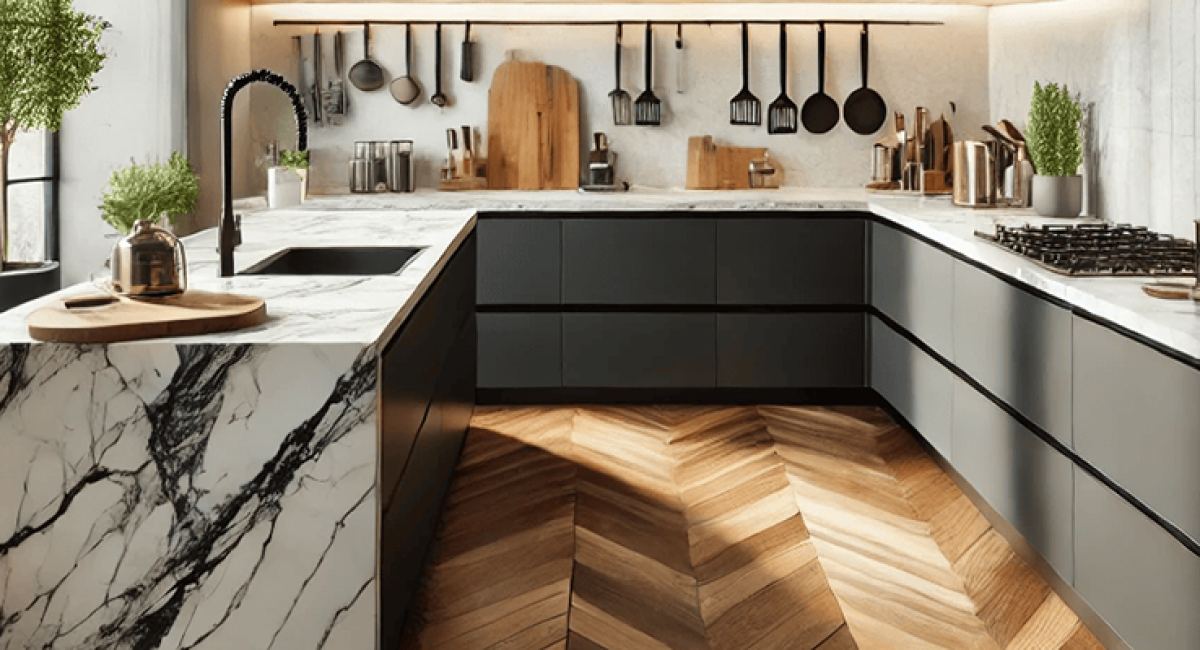
Home remodeling is not an uncommon thing these days. People tend to work on changing some parts or opt for a whole home remodel at some point. This remodeling can either be aesthetic or a blend of beauty and functionality. A complete home renovation project will require you to understand costs, scope, process, and value. Before you explore the home remodeling project, keep in mind that it is a huge commitment.
From the single kitchen remodel cost to the whole home renovation duration, you what is the whole home remodelingwill have to be patient. But what do you need to know? Continue reading the following.

What Is a Whole House Remodel?
A whole house remodel is about renovating or giving your home’s interior an entirely new look. Sometimes the exterior is included in it as well. You don’t just change the look from interior to exterior with home renovation. You get to change the major system from electricity to HVAC and plumbing. It may even include reconfiguring the floor plan of your house, too. The update finishes across rooms (floors, walls, lighting), and sometimes even touches roofing, siding, windows, or structure.
Why A Full Home Renovation Matters?
Compared to a single room renovation, the whole home remodeling focuses on the entire home as a system. The major component of your home aligns together like structure, mechanicals, and finishes, so the final result is cohesive. This is especially useful when you have bought a home that is a decade or two old (20-25 years). Or your existing house layout may not be suitable for your current lifestyle (remote work, multi-generational living).
Consider adding comfort to your current living space, so a whole home remodel is the best decision. Projects like tiny house bathroom ideas with tub and shower can even be integrated into the design to maximize space and comfort.
What To Expect In a Whole Home Remodel Project?
A complete home renovation requires patience as the project can take weeks to complete. Compared to a single room renovation, a full home renovation is more complex, requires proper permitting, multiple trades, and coordination. You may also have to opt for temporary living arrangements during this time. This may sound hassle, but the payoff will be worth waiting. If you’re planning walk in shower ideas for small bathrooms, these details will add convenience and value to your remodel.
What Is The Average Cost Of a Whole Home Remodel?
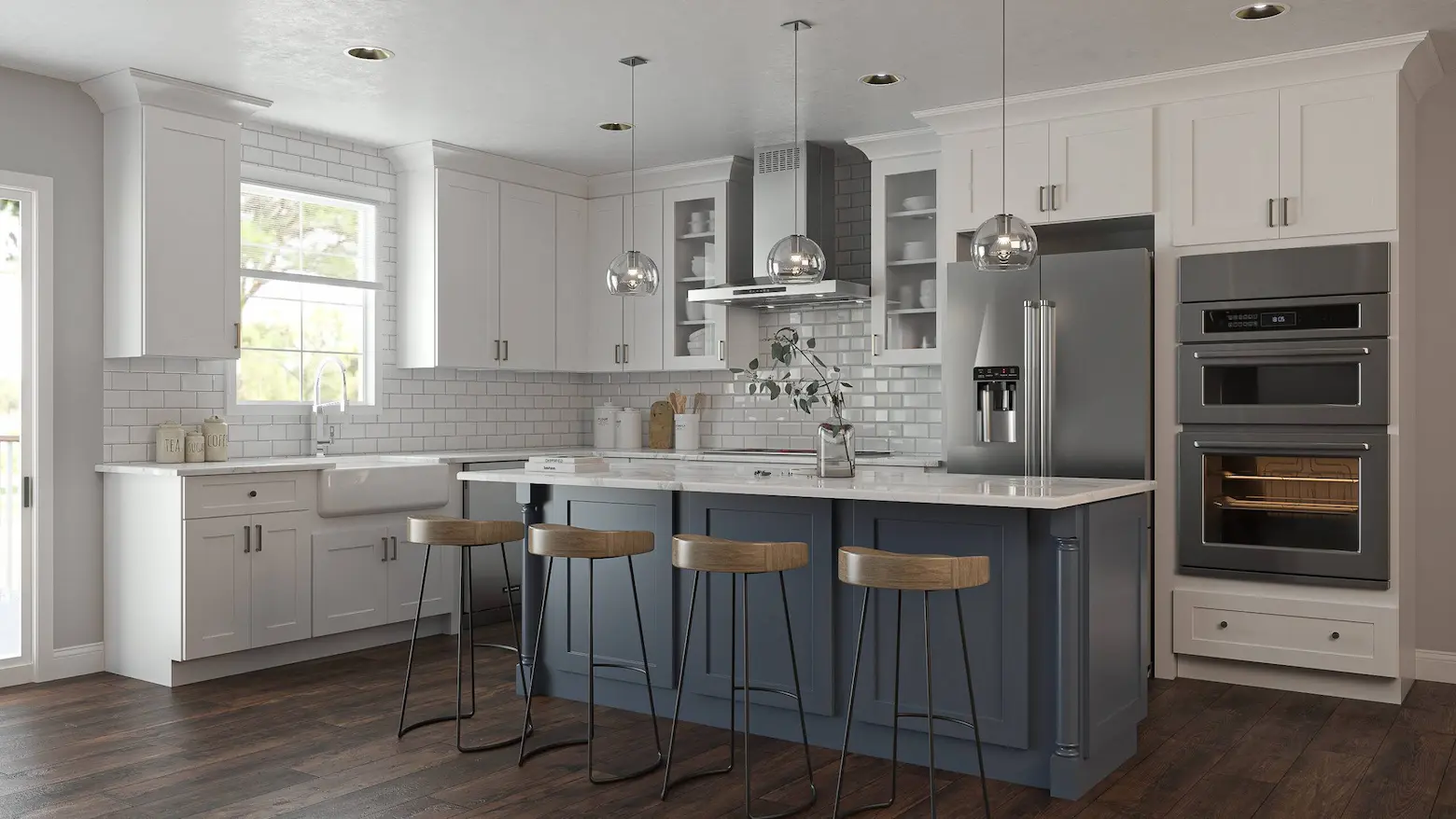
When it comes to a whole home remodel project than you should be ready to upgrade every bit of the house. From utility systems (electricity, plumbing, to HVAC), which is why the cost may vary. The level of the remodeling project and the size of the house will also impact the remodeling project. Here is the average cost of a home remodel.
| Scope of Remodel | Average Cost per Sq. Ft. (2025) | Total Cost Range (Based on Typical Home Size) |
| Basic cosmetic remodel (paint, flooring, fixtures only) | $15 – $60 | $18,000 – $72,000 for a 1,200 sq ft home |
| Standard full-house remodel (mix of updates, minor layout work) | $100 – $200 | $120,000 – $240,000 for a 1,200 sq ft home |
| High-end or structural remodel (major redesign, premium finishes) | $200 – $300+ | $240,000 – $450,000+ for a 1,200 sq ft home |
Average cost to remodel each room
| Room | Average Cost Range (USD) | Notes |
| Bathroom Remodel | $6,700 – $28,000 | Depends on size, fixtures, and finishes |
| Kitchen remodel | $14,600 – $40,000 | The highest cost is due to cabinetry and appliances |
| Laundry Room (Utility) | Around $6,000 | Includes plumbing, flooring, and cabinetry |
| Living Room | $5,000 – $10,000 | Includes flooring, lighting, and paint |
| Bedroom | $1,500 – $5,500 | Typically limited to flooring and decor updates |
| Office | $5,000 or more | Cost varies based on built-ins and tech setup |
- Homes with older infrastructure, utility systems, and wiring are more costly than relatively new structures. Houses with a new structure usually cost less to remodel.
- Material selections make a big difference, too. For example, choosing custom kitchen and bathroom cabinets, quartz countertops, and high-efficiency HVAC can increase project costs by 20–30%. Meanwhile, maintaining original floor plans and reusing existing plumbing lines keeps expenses lower.
- The quality of electrical work, finishes, and fixtures makes a huge impact. Stock vs custom cabinetry for the kitchen adds to the kitchen renovation. Even RTA cabinets from brands like Fabuwood Cabinetry or J&K Cabinets can change the budget quite a lot. Choosing standard vs luxury tile, mid- vs high-end appliances, and such makes a big impact.
- The local subcontractors and labor costs also affect the overall Whole Home Remodel project. You should be prepared for the water leakage damage, which may also end up increasing the renovation cost.
If you’re evaluating how much custom cabinets cost, factor in craftsmanship, materials, and installation since these can affect both quality and resale value.
Deciding Between a Whole Home Remodel or Room-by-Room Upgrades
Homeowners who need renovation in their house often get confused between a single room and a whole home remodel. They both have distinct differences and budget considerations. The decision should align with the budget, goals, and timeline for the best experience.
Pros and Cons Of Whole Home Remodel
| Pros | Cons |
| Cohesive design: All finishes and systems align across the home. | Higher upfront cost: A Larger financial outlay is required at once. |
| Single disruption period: Construction happens once, not repeatedly. | Temporary relocation likely: Living in the house may be impractical. |
| Cost efficiency: Contractors mobilize once, reducing repeated setup costs. | Complex coordination: Planning and project management are more demanding. |
| Best for older homes: Ideal when updating structure, layout, or systems together. | Greater risk exposure: Delays or surprises can affect the entire project. |
Pros and Cons Of Room-by-Room Upgrades
| Pros | Cons |
| Smaller budget per phase: Easier to fund and plan over time. | Lack of cohesion: Finishes and styles may not match across rooms. |
| Partial use of the home: You can live in other rooms during renovation. | Repeated setup costs: Each phase requires new mobilization and cleanup. |
| Flexible scheduling: You can pause or adjust plans as circumstances change. | Rising material and labor costs: Delays can make future phases more expensive. |
| Manageable scope: Each project is simpler and less overwhelming. | Deferred system updates: Waiting too long may lead to rework or inefficiency. |
- If you have quite an old house or a generational house with structural/system issues, go for a whole home remodel.
- If your home is in good condition structurally and mechanically, and you just need aesthetic updates, room-by-room may make sense.
- Plan your budget first. Understand how long you want to stay in the home and how much disruption you can afford during renovation.
If you’re mainly focused on a bathroom renovation, room-by-room might make sense. But if you want consistent style and quality throughout, a whole home remodel is the way to go.
- Consult with a firm like Tivoli Kitchen and Bathroom Design to assess entire-home needs vs phased upgrades.
What Are The Steps For Whole Home Remodeling?
Once you have decided to go for a whole home remodeling approach, take a look at this general step-by-step process. Adapting this process helps both homeowners and project managers stay on track.
Step 1: Initial Assessment & Concept Planning
- It starts with the assessment of the entire house, noting down the structural conditions, system finishes, and layout.
- Have clear goals before remodeling. Whether it is about lifestyle, comfort, energy efficiency, or resale, make it clear.
- Set budget and timeline ranges.
- Sketch concept or hire a designer to create a layout and finish concepts.
- Take your time deciding on factors that will impact all rooms (e.g., flooring type, lighting approach, color palette) so you have a unified vision.
Step 2: Design & Scope Development
Design shouldn’t just be about aesthetics but should include durability, functionality, and longevity too:
- Talk to remodel experts. At Tivoli Kitchen and Bathroom Design, our skilled remodelers and architects will come up with the proper drawings: floor plan changes, structural modifications, and systems plan. This will help you decide on the idea that meets your remodeling expectations.
- Specify finishes for your flooring, cabinets, countertops, fixtures, windows, and doors. Make sure they don’t just look good but offer better functionality too.
- Develop a scope of work document, including which rooms, systems, structural work, and finishes to go with.
- Get an initial cost estimate from the general contractor. Go online and ask for a free quote for a whole home remodel.
- Adjust scope to match budget and timeline.
Step 3: Permitting & Procurement
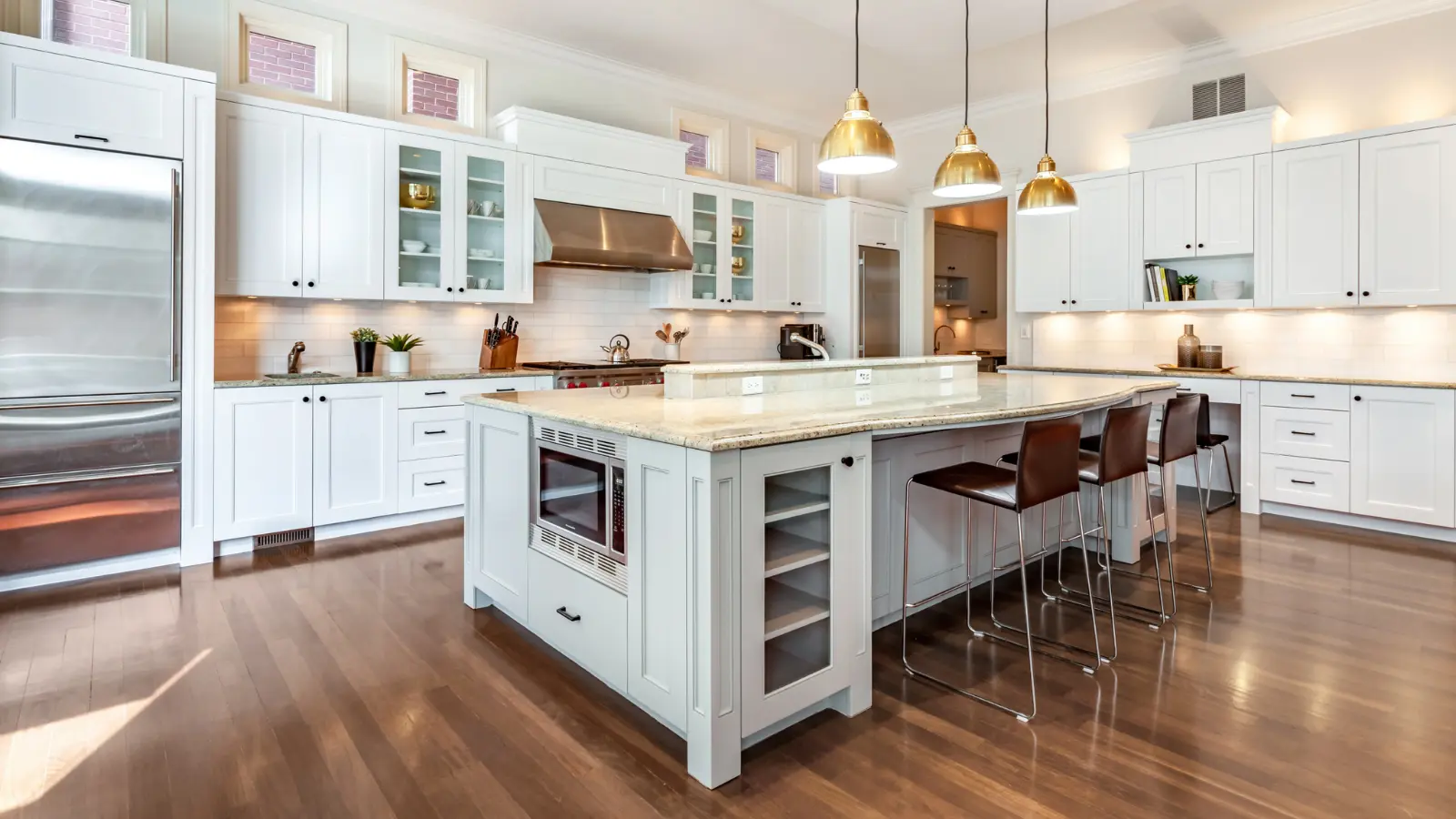
This is crucial if your local authorities require you to get permission before starting any renovation. The contractor will work from here.
- Submit drawings to the local code authority and apply for permits.
- Order long-lead items like windows, custom cabinetry, and premium fixtures.
- Schedule trades and set the construction timeline.
- Prepare your home for renovation. Move or protect belongings, plan for living arrangements, and clear work zones.

Step 4: Construction / Execution
Now is the time to set up the construction site and start the project.
- Set up the site, safety protocols, and temporary living plan.
- Remove finishes, walls, and systems as needed.
- Structural, mechanical, plumbing, electrical, HVAC rough-ins, and inspections.
- Insulation, windows, envelope upgrades.
- Drywall, flooring, cabinetry, and fixtures installation.
- Painting, trim, finish carpentry, lighting, appliance install.
- Systems commissioning, final inspections.
- Clean-up, punch list, homeowner walk-through.
Step 5: Close-Out & Handover
Once the site is prepared, seal the deal to start the project. The contractors will:
- Finalize punch list items and make sure everything is functioning.
- Provide the homeowner with manuals, warranties for equipment, and finishes.
- Walk through all systems with the homeowner: HVAC thermostat, appliances, warranty info.
- Record and retain all documentation for future reference/resale.
Step 6: Post-Project Review
Once the project is completed, review every bit carefully to see if the work is satisfactory.
- After a few months living in the space, make sure things are working fine as expected. This includes lighting, comfort, and layout flow.
- Make minor adjustments if required.
- Keep a maintenance schedule for new systems.
- Evaluate whether the project met goals like comfort, energy savings, and resale readiness.
Who Can Benefit From a Whole Home Remodeling?
A whole home remodel project is not for every homeowner. However, here is where the individual gets the most from a complete home renovation.
- Old home owners or generational homes. These homes are usually 20-50 years old. Their systems (HVAC, plumbing, and electrical) are dated and will need replacement anyway.
- If you are planning to keep the current house forever, then a full home remodeling is the best choice. You will want to ensure the layout and systems support that (wider doors, zero-threshold showers, accessible design, efficient systems).
- Families that are adapting to their changing lifestyle (remote work, multi-gen living, open-plan preferences). However, they are living with an old layout and utilities.
- Investors or property owners with profit goals can also leverage the whole home remodel. This can raise the market value significantly and differentiate their house in a competitive market.
- Owners of homes with mismatched or irregular renovations often enjoy a full home renovation. This allows them to get a single cohesive home improvement rather than ongoing patches.
FAQs About Whole Home Remodel
Let’s answer your questions about home remodeling.
How long does a whole-home remodel typically take?
3–9 months. This duration is typically for a full-scope remodel (structure, systems, finishes). The duration may vary depending on size, scope, permit time, and region. Complex, larger projects, or luxury projects may take longer.
Should I live in the house during a full remodel?
You can, but disruption will be significant: noise, dust, loss of access to rooms.
What contingency budget should I plan?
10-20% contingency above your original estimate is better to cover hidden issues (rot, mold, code upgrades, cost escalation).
How do I choose a contractor for a whole-home remodel?
Look for firms with experience in full-home remodels. Check references, visit past projects. Ensure they handle permitting, scheduling, and coordination of multiple trades. Communication and project management skills are critical.
Can I finance a whole-home remodel?
Yes. Finance options include home-equity loans or HELOCs, cash-out refinances, personal loans, or construction-to-permanent loans.
When is it better to move rather than remodel?
If the house is facing severe structural failures (foundation, severe damage), then moving is better. If it also requires an addition of scale where building new is cheaper, then buying/moving may make sense. Also, if your neighborhood limits return on investment for remodels, moving may be smarter.
Bottom Line
A whole home remodel is one of the most expensive investments a homeowner will make in their life. This is why careful planning is crucial. The cost of a whole home remodel can range from $100 to $300+ per square foot. A complete renovation can reach hundreds of thousands of dollars in total, depending on the project scale. Large homes with multiple aesthetic and functional upgrades usually take more time and money. The key is to clearly define your goals while talking to remodelers. Understand your home’s structure and systems, assemble the right team, budget wisely, and align your project with resale reality.
At Tivoli Kitchen and Bathroom Design, we have completed a comprehensive range of full home remodels. We know how to deal with different project requirements. Our expert knows what difference a perfectly completed full home renovation can make. If you’re about to go through a whole home renovation process, then take your time exploring and planning. This will reward you throughout the life of your home.