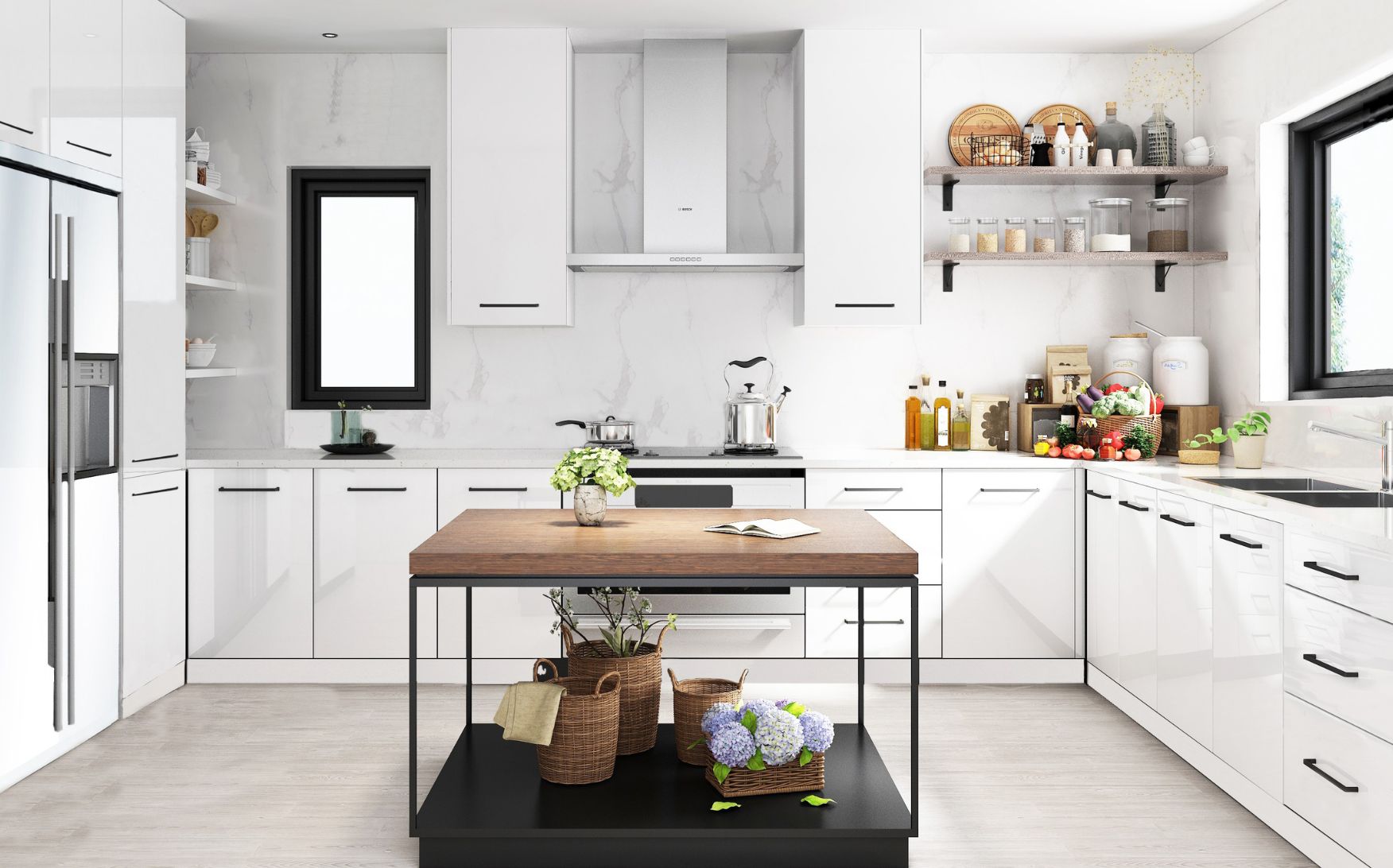
Frameless cabinets are gaining attention because of their clean texture and slightly more storage space than framed cabinets. This type of cabinetry is generally seen in contemporary designs and spaces where a sleek, minimal appearance is a priority. But the main reason homeowners like frameless cabinets is only their clean, streamlined finish, or something else. Today’s article will disclose this. So, read till the end, especially if you are designing a new kitchen or remodeling an old one. You might be looking for this unique design.
Understanding Frameless Cabinets
Frameless cabinets do not have a frame in front of the cabinet box that is built for structure and support in the traditional style. Now, you might be thinking how frameless cabinets stay stronger. They typically rely on a thicker cabinet box for this purpose. This unique modification gives it a clean, modern appearance. That’s because, in this way, the cabinet doors cover almost the entire front area. Such cabinets perform effectively in contemporary and European-style kitchen designs.
The practical benefits for which most homeowners turn to them are wider drawers, easier shelf access, and smoother storage management. For strength and durability, they are made from engineered materials, such as plywood and high-density fiberboard. To complement this style and help carry the structural load, hardware and concealed hinges play an important role.
This shows that they have been used in modern kitchens, bathrooms, and offices because of functionality and visual appeal.
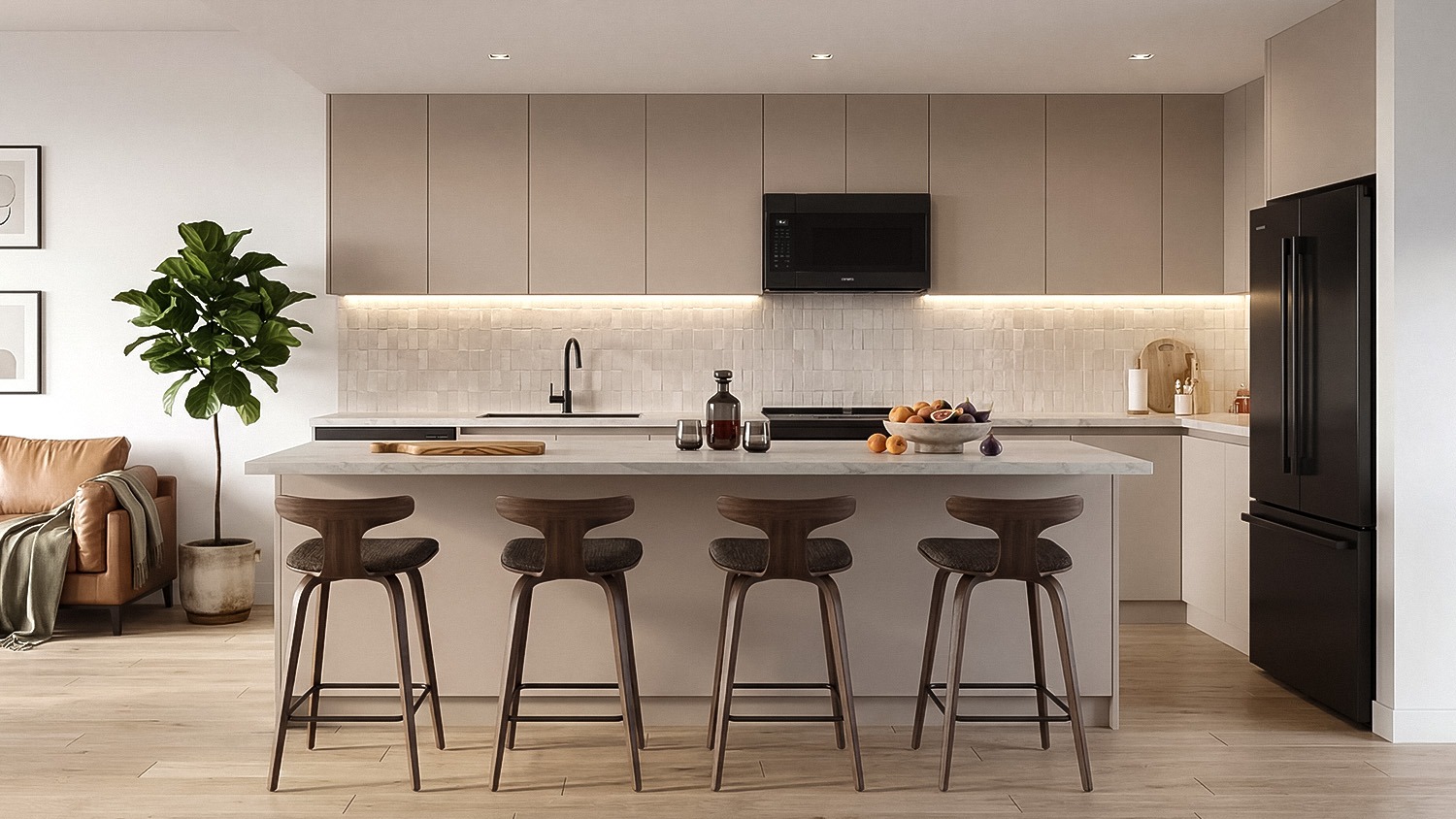
Frameless Construction of Cabinets
If you want to know about them in detail, let’s start with their manufacturing. Frameless cabinet construction follows a box-style design. The front frame construction is completely overlooked in this design, unlike the partial overlay, which may slightly show it.
In the very first step, engineered wood panels are collected to be shaped. It is to make a strong cabinet box with precision. During this stage, standard kitchen cabinets dimensions are carefully followed to ensure proper alignment and storage efficiency. Then, the side panels, top, bottom, and back are attached to this box. That’s how a solid storage box structure forms without a frame. The combined components and structured panels provide the entire strength and support.
Afterwards, the doors are attached to the side panels of the cabinet box. Concealed hinges of the inside cabinet are used for this to make sure they are accurately aligned and moving.
The finishing process starts when the structure is completed. The surface and edges get sealed or laminated, depending on the material used. It’s the last steps that give cabinets their final look. This ensures they remain protected even after a long period of use.
Key Features of Frameless Cabinets
Let’s know the most common features of frameless cabinets that reveal why most homeowners prefer them:
Full Access to the Cabinet
These cabinetry openings are usually wider, so they give easier access to storage. This makes storing and accessing items easier to manage. It’s the main difference between framed and frameless kitchen cabinets. This is why understanding how deep are kitchen cabinets is important when planning storage in frameless designs.
Modern Appearance
Their unique appearance, created by attaching doors and drawers, gives them a smooth, modern, and attractive look wherever installed. They are typically seen in premium designs, whether in the kitchen or the room.
More Usable Storage Space
It is considered that they give slightly more storage space. And obviously, storage improves when the drawers are spacious and have fewer obstacles in openings.
Concealed Hinges and Modern Hardware
These cabinets usually have concealed hinges and advanced hardware. They ensure all components move smoothly while maintaining an engaging exterior appearance.
Low Maintenance
Since the frames are ignored during construction, the gaps are minimal between doors and the storage portion. This design reduces the chances of dust and grease from building up in corners. That’s what makes their regular cleaning easier, especially for anyone thinking about how to clean kitchen cabinets.
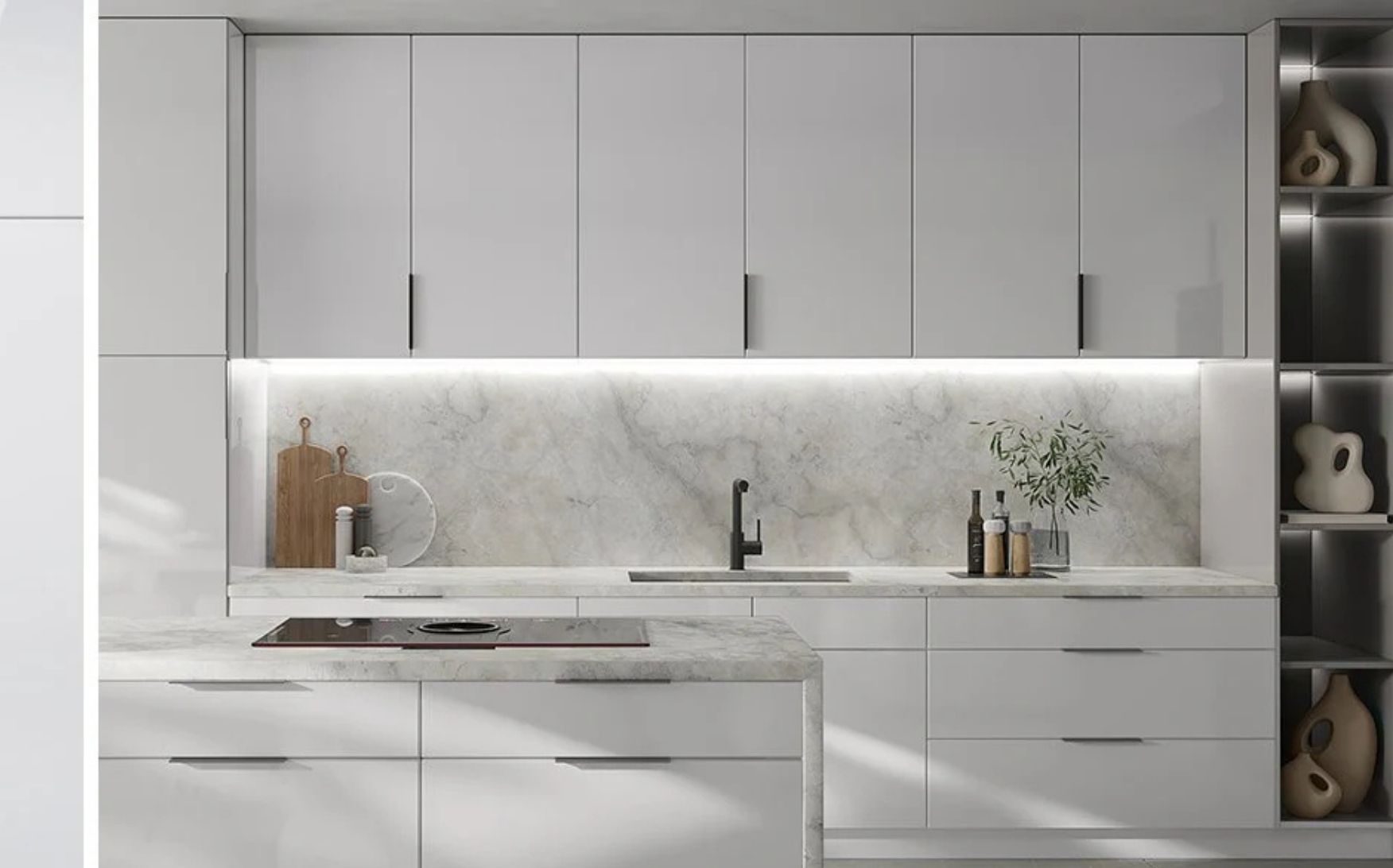
Pros and Cons of Frameless Cabinets
There are many aspects to analyze in a material, not just the appearance. Therefore, the following are the advantages and limitations of frameless cabinets, helping to determine whether they are the right choice.
| Aspect | Pros | Cons |
| Storage | Offers about 10% to 20% more usable storage than framed cabinets of the same size. | Works best only when installed properly at the right angle. Otherwise, the mistakes are more visible. |
| Access | Wider openings make it easier to reach inside and store larger items like platters and cookware. | Items at the end of deep base cabinets can still be hard to reach. |
| Appearance | Creates a smooth, aesthetic surface that suits modern kitchen designs well. | Only comes in full overlay doors, so it does not work for inset preferences. |
| Hardware | Pairs well with European hardware, such as soft-close hinges and full-extension drawers. | Hinges attach directly to cabinet sides, so later adjustments can be more involved. |
| Structure | Thicker side panels can make well-built frameless cabinets strong and durable. | Lower-quality versions may be less rigid and more prone to warping over time. |
| Installation | Box construction is simpler since there is no face frame to build and attach. | Precision is essential because there is no frame to hide small installation errors. |
| Design flexibility | Works well with many modern styles and can be customized in finishes, sizes, and materials. | Does not suit traditional or farmhouse kitchens as naturally as framed cabinets. |
Best Materials for Frameless Cabinets
The most asked question is which material to choose for Frameless Cabinets for strength and durability. As the cabinet box has to carry storage, engineered materials are considered for this.
Plywood
One of the highly used materials is plywood because of its strong layered structure. It impressively handles weight and resists warping much better than other options. That means you can choose this without worry in humid areas like the kitchen.
Fiberboard
The next one is Fiberboard, which generally comes in high-density or medium-density variants. Both are smooth, easy to shape, and work well with laminated or painted finishes. Use them when you want to create a clean, modern appearance somewhere.
Particle Board
Particle board is also used in this cabinet design, but it is not preferred as much as plywood and MDF. That’s because it is less durable compared to them, which means you should not consider this material for moisture areas. However, this material cabinetry performs well in dry areas and costs less.
Material Finishes
To make these materials completely durable and more attractive, the finishes play an essential role. The following are the important ones.
- Laminate
- Veneer
- Acrylic
Do not overlook them; they protect the cabinet surfaces and enhance their value.
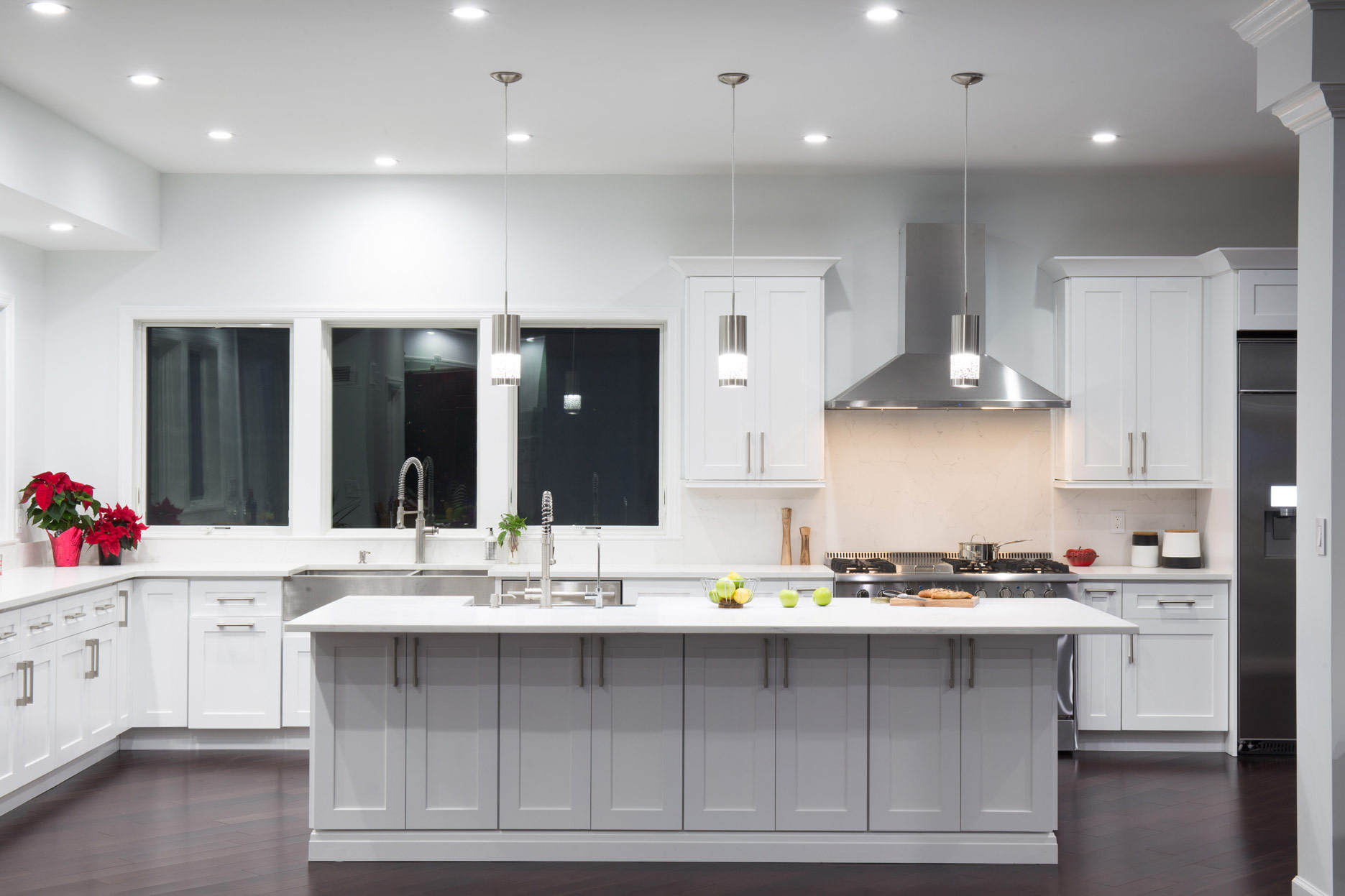
Where Frameless Cabinets Work Best
Due to their popularity, they are used in many interior spaces. Here are the common applications where they get to see mostly:
- Modern Kitchens
- Small Kitchens
- Bathrooms
- Living Room Storage Units
- Office and Workspaces
FAQs About Frameless Cabinets
Here are the answers to some common questions that should also be clear before finalizing the decision.
What type of hinges are used in frameless cabinets?
Frameless cabinets use European, concealed hinges. They are installed inside the cabinets and feel hidden from the front.
Do frameless cabinets offer customization?
Yes, they can easily customize in terms of finishes, colors, and internal storage fittings. That allows you to use them anywhere in the home and with any design.
Are frameless cabinets suitable for high-traffic kitchens?
Yes, they can also be considered for high-traffic kitchens. Make sure they are made of high-quality materials and good hardware.
What makes framed cabinetry different in terms of construction precision?
They need precise manufacturing because even the smallest misalignment affects how they function and look.
Does this cabinet style support modern storage systems?
Yes, they support modern storage systems, including pull-out organizers, soft-close mechanisms, and other space-saving accessories.

Bottom Line
This guide states that frameless cabinetry is a modern design that has gained popularity because of its simple, clean appearance. The absence of a face frame enhances its minimalistic texture. This type of drawer pairs perfectly with today’s interior designs.
They are versatile because of their light texture and efficient storage layout, e.g., kitchens, bathrooms, and offices. For their long-term use, strength, and durability, choosing the right material and finish is important. If you can’t decide, simply opt for plywood and MDF due to their effective performance.
Overall, it is the best option for those who want to complement a modern, aesthetic style with functional cabinets. In modern projects, designers often follow the approach used by Tivoli Kitchen and Bathroom Design for balanced layouts.