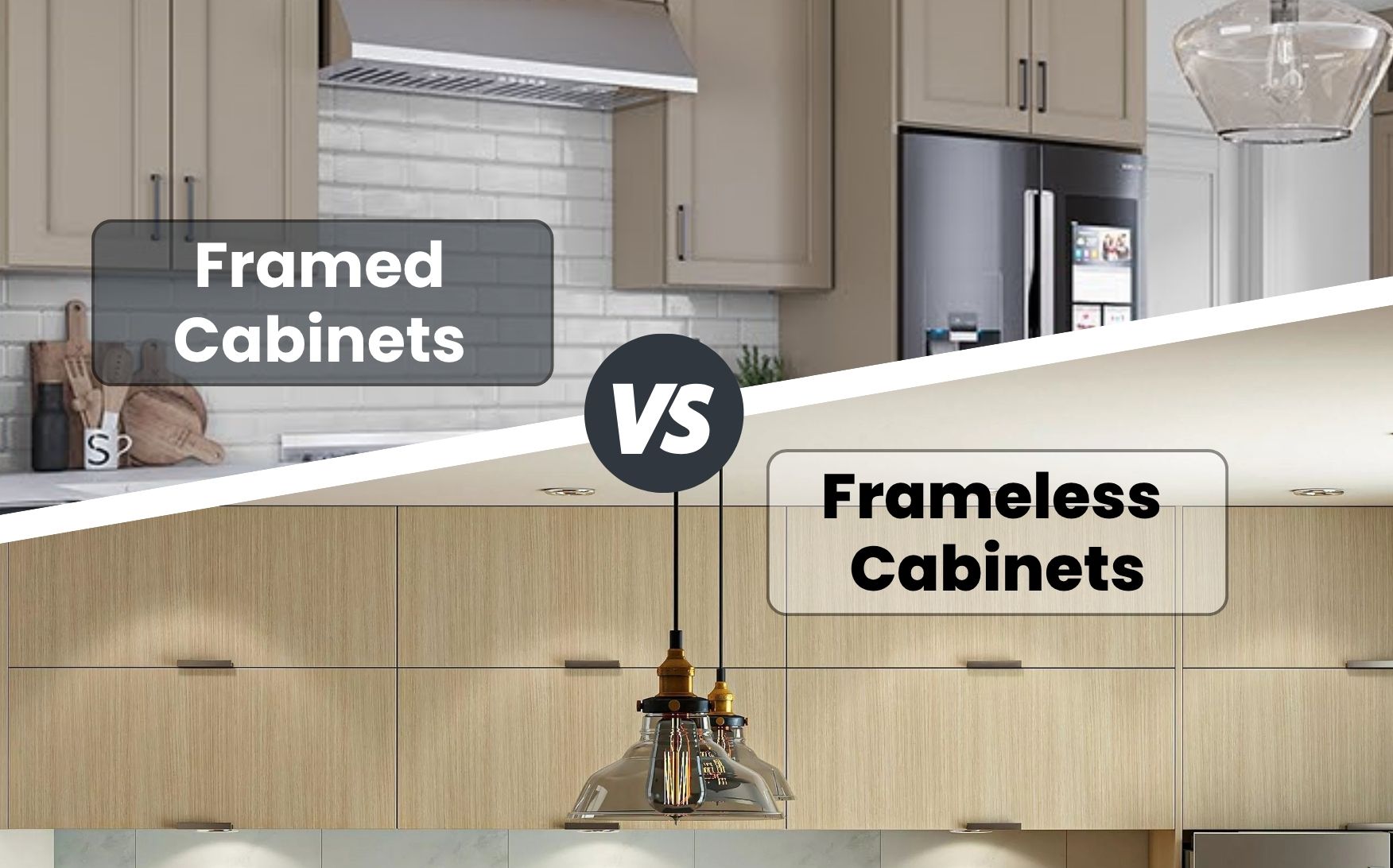
Cabinets come in different shapes and sizes. Two of the most common cabinet types we see are the framed and frameless cabinet types. Many homeowners think about the finish, color, or hardware, but they don’t pay attention to the structure. Both frameless and framed cabinets show a distinct design approach, storage capacity, durability, and installation cost. When homeowners understand how this works, they can make an informed decision before the cabinet door project even starts.
This guide can help you understand the difference between framed vs frameless cabinets with clarity. Continue reading the following for more information.
Frameless vs Framed Cabinets (Side-by-Side Comparison)
Here is a complete side-by-side comparison of frameless vs framed cabinets so you can have the core idea of both cabinets.
| Feature | Frameless Cabinets | Framed Cabinets |
| Structure | No face frame; box supports load | Face frame reinforces the front |
| Storage Access | Full access; no obstruction | Slight restriction due to the frame |
| Style | Modern, minimal | Traditional, detailed |
| Door and Drawer Options | Mostly full overlay | Inset, partial, full overlay |
| Installation | Requires precision | More forgiving |
| Durability | Strong with quality materials | Very strong due to the frame |
| Hardware Role | Critical for alignment | Less dependent on precision hardware |
| Cost Range (2026) | Mid to high | Low to mid (varies by style) |
| Best Use Case | Small spaces, modern homes | Classic kitchens, varied layouts |
| Refacing / Remodeling | Less flexible for retrofits | Easier to modify or reface |
| Weight Distribution | Relies on box integrity and hardware | The frame distributes the load evenly |
| Best for Drawers | Excellent (wider openings) | Good but slightly restricted |
| Cleaning | Easier (flat surfaces) | Slightly harder (edges collect dust) |
| Aesthetic Longevity | Trend-forward | Timeless |
What Is a Frameless Cabinet?
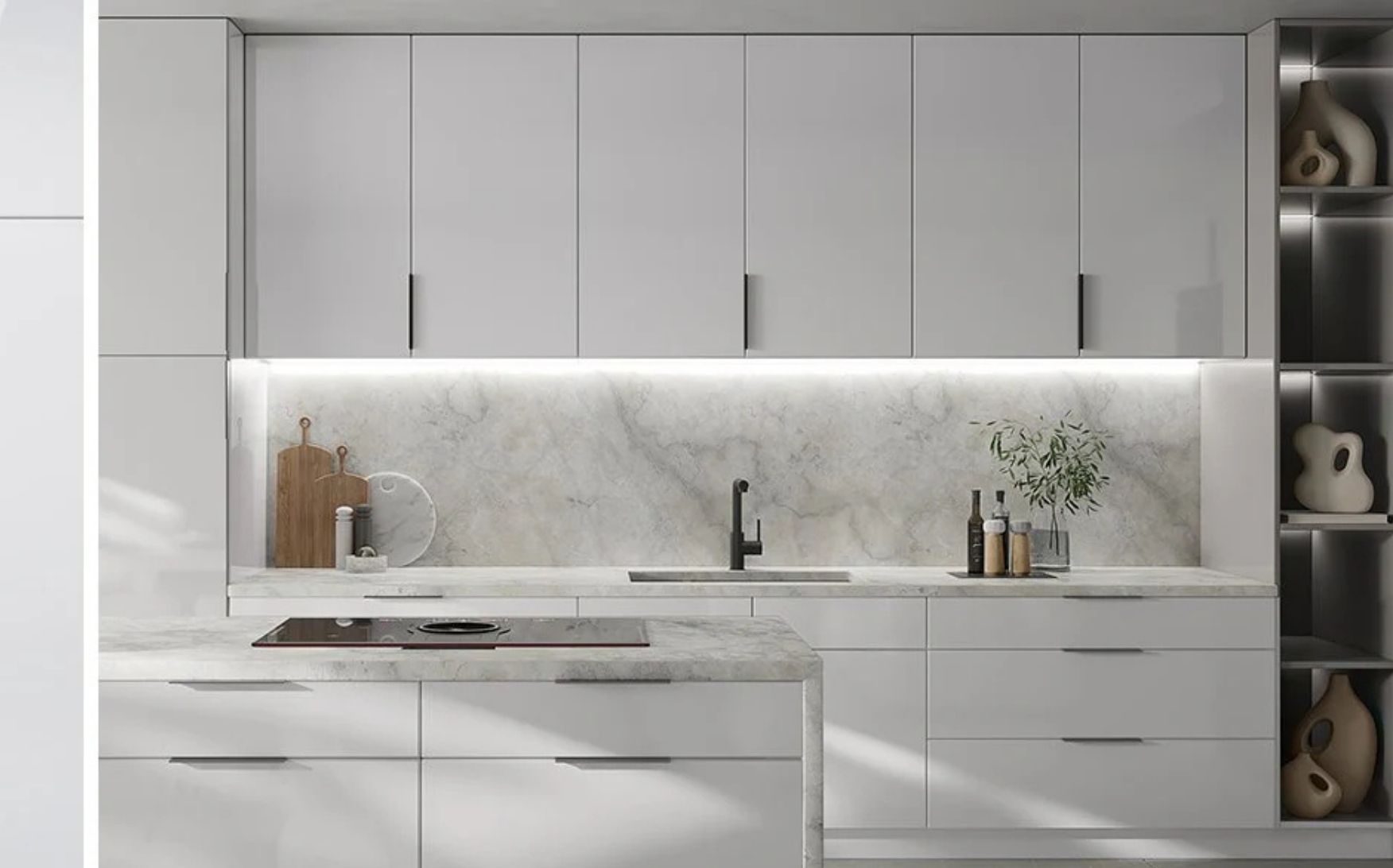
A frameless cabinet doesn’t have a front-facing frame. The cabinet box carries the full structural load. The drawers and door are directly attached to the edge of the box. The design is inspired by the European cabinet system, which is why they are also known as the European-style cabinetry.
Key Features Of Frameless Cabinets
- Full-access opening with no center stile
- Thicker cabinet box sides for stability
- Full-overlay doors that cover most of the front
- Concealed hinges mounted inside the cabinet
How Does a Frameless Cabinet Work
The main cabinet construction support system of cabinets is the box. Manufacturers use engineered wood such as high-density fiberboard or plywood to keep it strong and durable. Hardware is a crucial part here as precision hinges and drawer slides maintain alignment.
Why Homeowners Choose Frameless Cabinets
Homeowners prefer frameless cabinetry because they offer more usable storage space. They offer better access to drawers and shelves without obstruction. Framed cabinetry offers a cleaner and more modern appearance, which makes it a great choice for smaller kitchens. The extra access improves daily use. A few centimeters of clearance can change how easily they can store large cookware or pull-out systems.
What Is a Framed Cabinet?
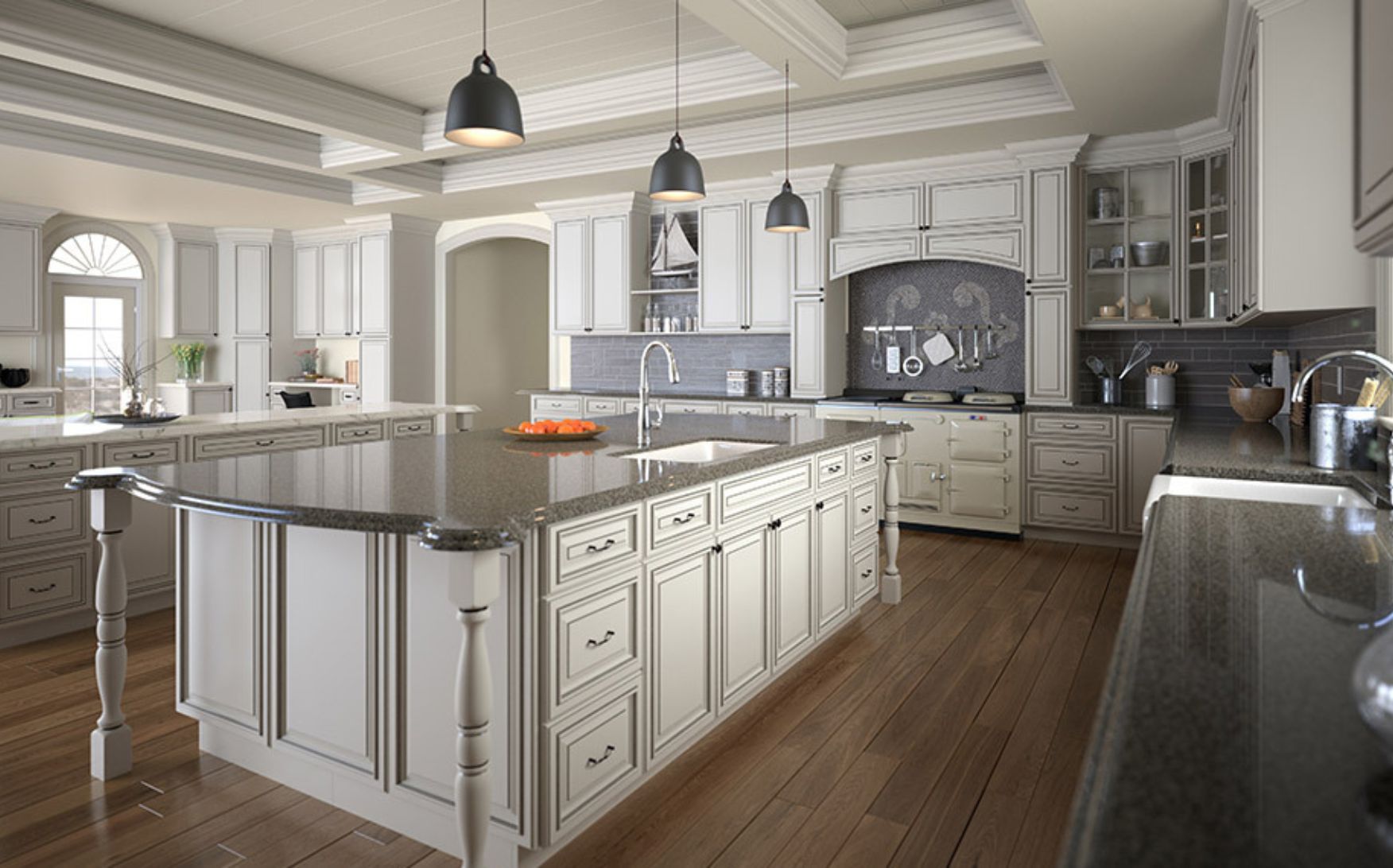
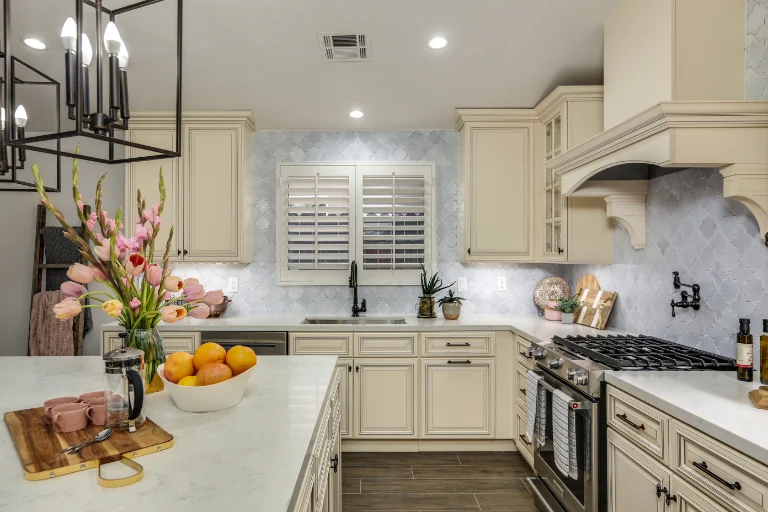
A framed cabinet features a face frame attached to the front of the cabinet box. The frame looks like a picture frame, and it supports doors and strengthens the structure. The inset door style is mostly suited for traditional North American cabinetry.
Key Features Of Framed Cabinets
- The face frame adds strength to the front
- Full overlay doors attach to the frame rather than the box
- Multiple door styles: inset, partial overlay, full overlay
- Visible frame sections between doors
How Do Framed Cabinets Work?
The frame keeps the cabinets stabilized and reduces stress on the box. Also, the installer can easily align the doors as the frame offers flexible adjustment options.
Why Homeowners Choose Framed Cabinets
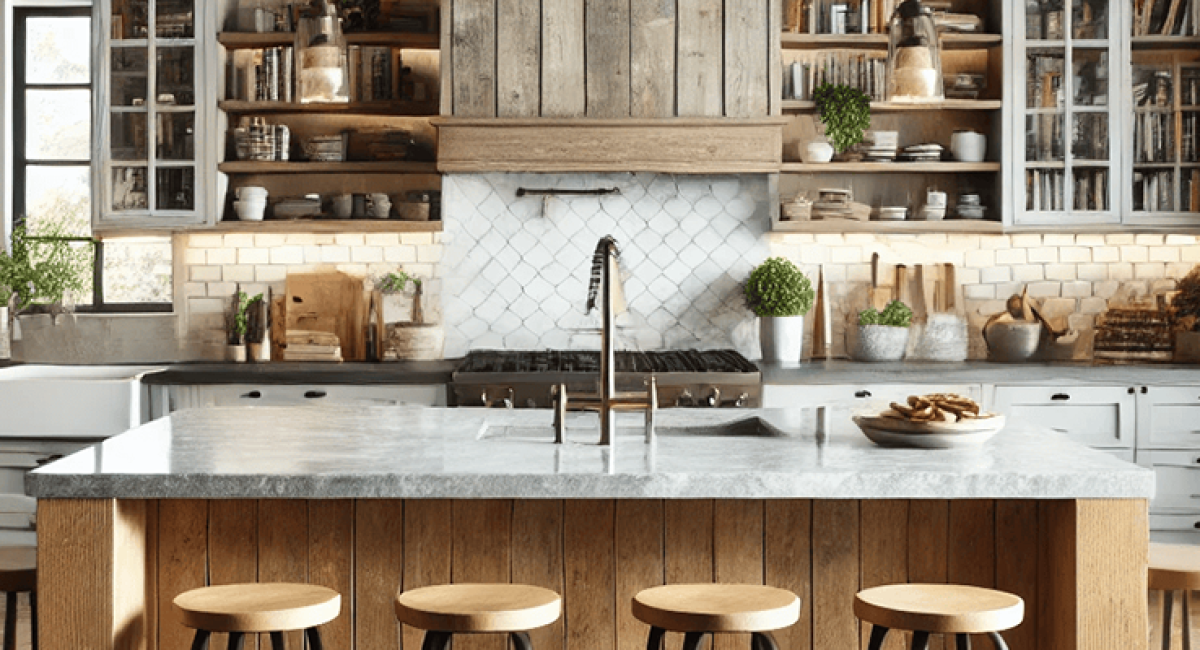
Homeowners prefer framed cabinets for their classic, detailed appearance. The framed cabinets may even feature some stunningly detailed frames that act as the centerpiece itself. Also, they offer flexible indoor design options and a convenient installation process. They are widely used in farmhouse, transitional, and traditional interiors.
Framed vs Frameless Cabinets: Design Impact
Cabinet structure is the major difference between framed cabinets and frameless cabinets. The structure directly affects the visual rhythm, where:
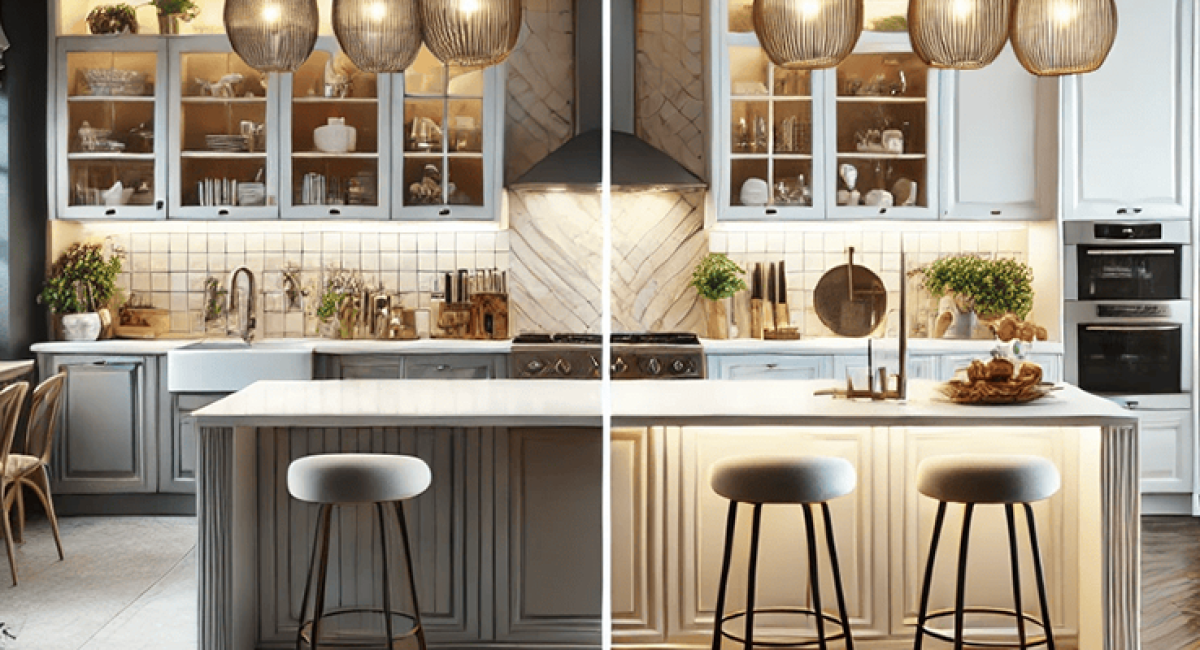
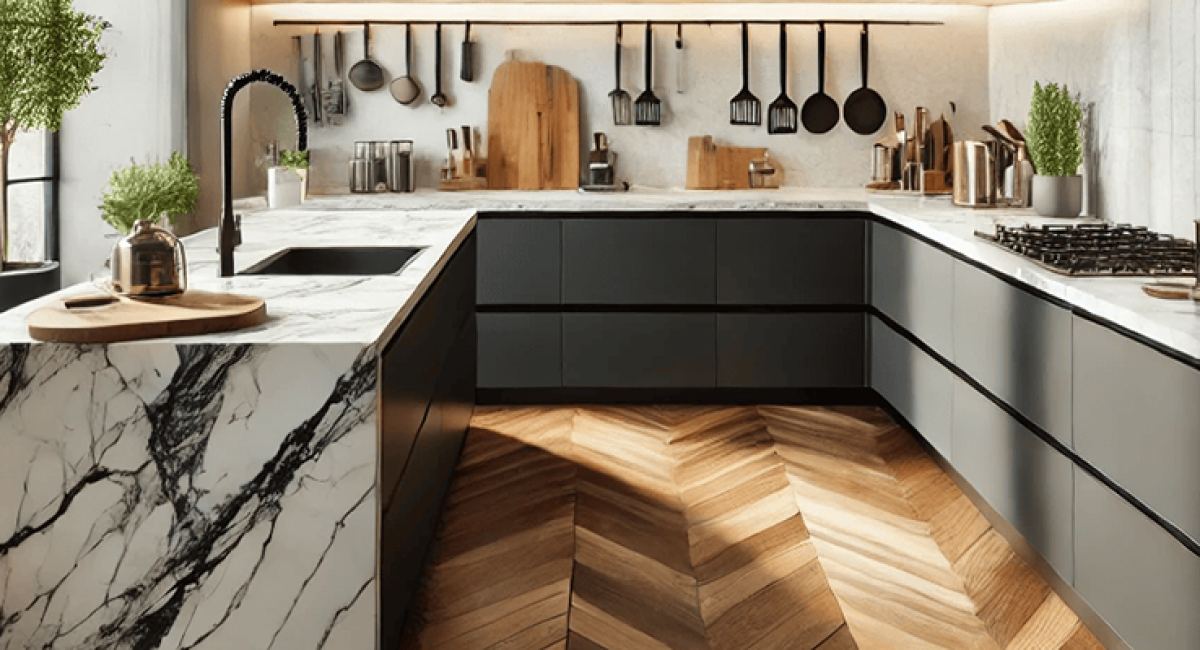
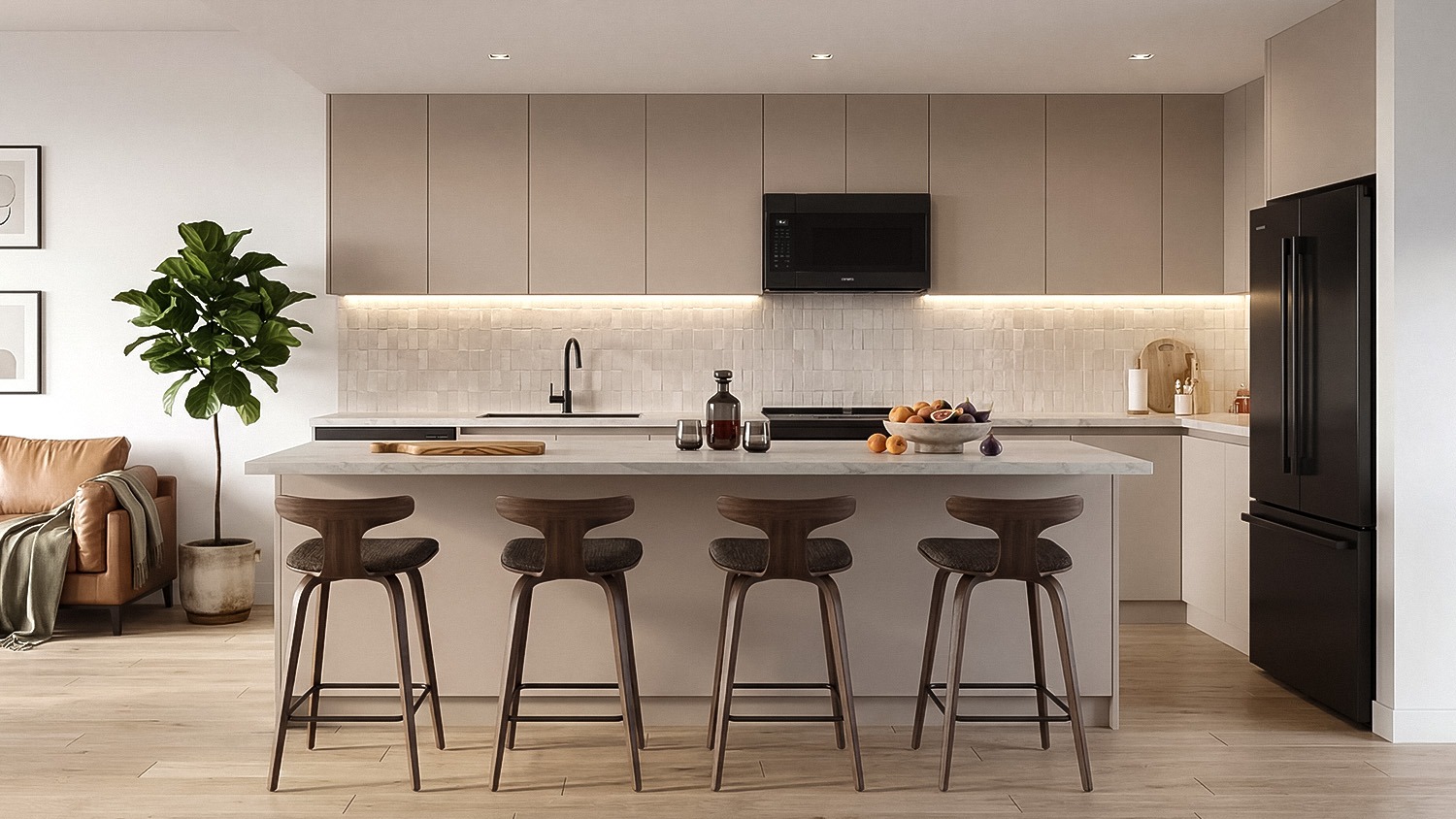
- Frameless cabinets feature frameless construction of front doors. They consist of a continuous appearance, doors that align tightly, and minimal gaps, and they are ideal for contemporary homes.
- Framed cabinets feature a defined segmentation where rails and style are visible. They have a textured appearance and depth.
Both have a distinct look, but those looking to maximize the storage options opt for frameless cabinets. But according to professionals like Tivoli Design Group, they often match cabinet types to architectural styles. A poor match can make the cabinets look odd, even though the material is premium.
Framed vs Frameless Cabinets: Storage and Accessibility
Storage efficiency makes the comparison between frameless and framed cabinets practical.
- A high-quality frameless cabinet offers a wider opening, convenient access for pull-out systems, and better use of the corner storage solution.
- On the other hand, the framed cabinet features center stiles that block larger items and a slightly reduced drawer width.
In practical terms, frameless cabinets provide better workflow in impact kitchens, which matters a lot in compact kitchens. For large kitchens, the difference matters less.
Framed vs Frameless Cabinets: Durability and Longevity
It is a common concept that framed cabinets are stronger due to the older construction methods. However, these days:
- Frameless cabinets use thicker panels (often 18–19mm plywood or engineered wood)
- Hardware systems distribute weight evenly
A well-built frameless cabinet from brands like Fabuwood can easily match the durability of the framed one. However, keep in mind that:
- Poor installation can negatively impact the frameless cabinets.
- Uneven walls can cause alignment issues.
Generally, framed cabinets can accommodate imperfections better due to the construction, which absorbs minor inconsistencies. Proper maintenance also plays a role, and understanding how to clean kitchen cabinets helps preserve their finish and long-term durability.
Framed vs Frameless Cabinets Installation Considerations
This matters more to project managers than to the homeowners. The difference is distinct where:
- Framed cabinets are easier to install
- They allow small adjustments
- They are easy to install in uneven spaces
While the frameless cabinets:
- Require precise leveling
- Need accurate measurements
- Depend on skilled installers
If there is a large-scale project, frameless systems demand tighter coordination between the design and execution.
Framed vs Frameless Cabinets: Cost Perspective
Cabinet costs highly depend upon materials, hardware, and labor, but not just cabinet type. However, trends show:
- Frameless cabinets usually cost more due to precision manufacturing.
- High-end hardware, like soft-close and push-to-open, also increases cost
- Framed cabinets offer more budget flexibility
Still, the price gap can be reduced as frameless systems become more common.
How to Make an Informed Decision
Choosing the best between framed and frameless cabinets can be a daunting task. Both offer distinct benefits, features, and suitability, so follow this table to make an informed decision.
| Factor | Frameless Cabinets | Framed Cabinets |
| Style Direction | Ideal for modern, minimalist, and contemporary interiors with clean lines | Works best for classic, farmhouse, and transitional kitchen designs |
| Space Constraints | Best for small kitchens because full-access openings maximize storage and usability | Suitable for larger kitchens where slightly reduced access is not a concern |
| Installation Conditions | Works well in new construction or spaces with precise measurements and level walls | More forgiving in remodels or older homes with uneven walls or floors |
| Budget Considerations | Often mid to high cost due to precision manufacturing and hardware requirements | Wider price range; many budget-friendly options available |
| Daily Kitchen Use | Better for heavy cooking and frequent access due to wider drawer and cabinet openings | Works well for moderate or occasional kitchen use where accessibility matters less |
A structured decision reduces rework and prevents costly changes later.
Framed Vs Frameless Cabinets FAQs
Are frameless cabinets less durable than framed cabinets?
No. Frameless cabinets can be as durable as framed ones when manufacturers use quality materials and proper construction techniques.
Do frameless cabinets cost more?
Yes. In most cases, the frameless cabinets usually require precision manufacturing and premium hardware. This can increase cost.
Which cabinets are better for small kitchens?
Frameless cabinets perform better in small kitchens as they offer full access and maximize the usable storage space.
Can I get a traditional look with frameless cabinets?
Yes. It is possible, but framed cabinets offer better traditional aesthetics more naturally due to their framed design.
Are framed cabinets outdated?
No. Framed cabinets are still widely used, especially in traditional and transitional designs.
Which is easier to install?
Framed cabinets are easier to install because they offer more adjustment and handle uneven surfaces better than frameless systems.
Bottom Line
Framed and frameless cabinets offer the solution for the same problem in every kitchen, but with some differences. Framed cabinets provide structure and design flexibility, and frameless provides better access and clean lines. Homeowners should not treat one as universally better. Instead, one should match the cabinet type to their space, design intent, and installation intent.
When these factors are aligned, they create a storage system that will not only perform better but also look like part of the actual design theme. A clear decision at this stage shapes how your space performs every day.