
Kitchen cabinets are the most crucial part of the kitchen for multiple reasons. From improving the kitchen interior to offering storage solutions, they do a lot. However, kitchen cabinets also face consistent exposure to grease. Oil particles from cooking oil settle on the cabinet surface. Over time, dust bonds with those particles and creates a sticky residue that dulls the finishes and looks unsightly. It also attracts more grime.
Many people assume they should work with stronger chemicals to fix this. What they don’t realize is that they often cause more harm than grease. They strip finishes, fade paint, and weaken protective coatings. A great approach would be effective but gentle degreasing. Continue reading the following to learn about the best degreaser for kitchen cabinets.
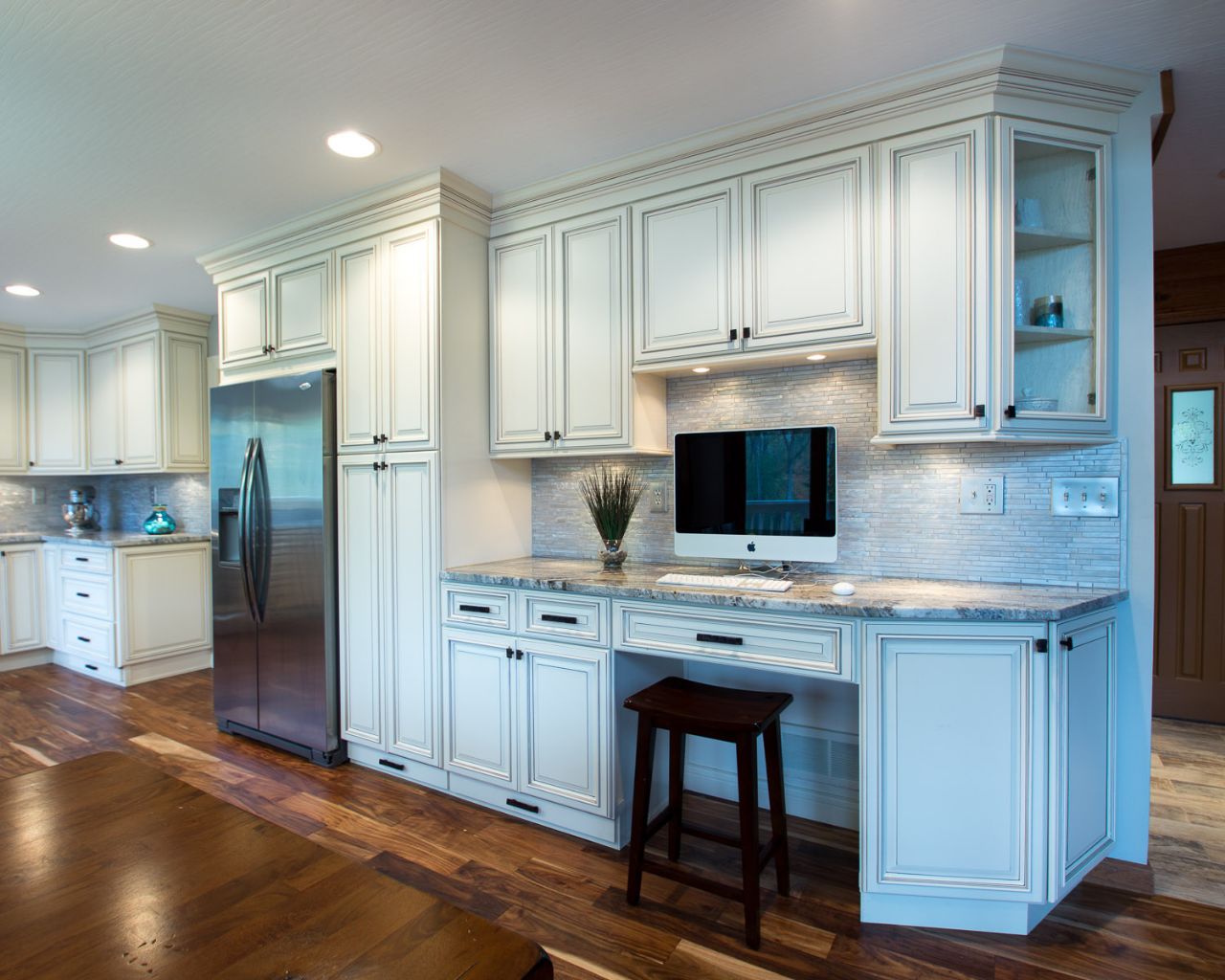
Best Degreasers for Kitchen Cabinets To Work With
You don’t really have to go for fancy or high-end industrial stuff to degrease your kitchen cabinets. These decreasing options will help you clean the kitchen cabinets and restore their look effortlessly.
Dish Soap and Warm Water For Best Overall Choice
One of the most reliable degreasers is available in most homes for everyday use. The dish soaps are one of the best degreasers for kitchen cabinets that lift oils safely without harming finishes. Use them by:
- Fill a bowl with warm water and add a teaspoon of dish soap. Store gently to mix without creating excessive foam.
- Dip a microfiber cloth into the solution. Do not use abrasive sponges as they can scratch finishes.
- Wipe cabinets with that well-dipped soft cloth in smooth and even strokes.
- Use a second cloth dampened with clean water. Wipe again to remove any remaining soap film.
- Use a dry microfiber cloth to remove moisture. This prevents swelling and streaking.
This method is well-suited for
- Painted cabinets
- Laminate surfaces
- Weekly maintenance cleaning
This is one of the safest standard practices in cabinet care.
Diluted Vinegar Solution for Sticky Grease Film
Vinegar is a great choice for eliminating harsh and sticky grease because the mild acid within it can dissolve oily residue. It works best on sealed cabinet surfaces. Start by:
Mix one part white vinegar with two parts warm water in a spray bottle or bowl.
Spray the solution into the hidden cabinet areas. Wait a few minutes to notice any discoloration.
If nothing happens, lightly spray the solutions onto a microfiber cloth. Don’t spray the solution directly on the cabinet surface to avoid excess moisture.
Now gently wipe clean the surface and focus on sticky zones near cooking areas.
Wipe again with a damp cloth to remove any vinegar residue. Dry it immediately.
This approach is well-suited for:
- Sticky grease film
- Fingerprint buildup
- Long-term oil residue
Do not use it on:
- Unsealed wood
- Waxed cabinet finishes

Oil Soap Cleaners for Wood Cabinets
Wood cabinets require gentle handling. Oil soap is the best degreaser for kitchen cabinets that conditions wood fibres to prevent drying. Start with:
- Add oil soap to warm water according to the product’s dilution instructions.
- Use a cotton or microfiber cloth, but do not soak it.
- Wipe cabinets according to the wood grain direction. This prevents streaks and protects the finish.
- Wipe the surface with a dry cloth after cleaning.
- Let cabinets air dry fully before closing doors.
This method is perfect for:
- Solid wood cabinets
- Veneer surfaces
- Older cabinetry systems
This method helps maintain long-term durability and finish integrity.
Baking Soda Paste For Heavy Grease Spots
Baking soda can be the best degreaser for kitchen cabinets facing severe sticky residue. It can break down the hardened oil and provide mild abrasion. To use it effectively, start by:
- Combine the baking soda with a small amount of water until it becomes a thick paste.
- Opt for a soft cloth to apply the paste only on greasy spots.
- Apply it onto the surface with light pressure and don’t get abrasive.
- Remove paste using a damp cloth.
- Use a clean, dry cloth to prevent moisture damage.
This method works best with:
- Cabinet handles
- Edges near cooking zones
- Stubborn grease patches
Do not use the baking soda method on:
- Glossy finishes
- Delicate painted surfaces
Mild All-Purpose DIY Cleaner For A Balanced Cleaning Solution
This solution combines the grease-cutting ability of dish soap with the residue-removing power of vinegar. In a spray bottle, mix:
- Two cups of warm water
- One tablespoon of dish soap
- One tablespoon of vinegar
Shake gently to combine.
- Spray it onto a microfiber cloth instead of directly onto cabinets.
- Clean using smooth, consistent strokes.
- If residue remains, wipe again with a damp cloth.
- Finish with a dry microfiber cloth.
Best Application for this approach:
- Routine maintenance cleaning
- Quick spot removal
- Preventing grease buildup
Why Kitchen Cabinets Need Specialized Degreasers?
When learning how to clean kitchen cabinets, many homeowners underestimate how grease bonds to surfaces. Grease acts much differently from regular dirt. Dust particles sit on the surface, oil bonds to them, and it forms a thin hydrophobic layer that resists water. This is why using a degreaser is crucial, as it will break the bond. Most effective cleaners work through one of three mechanisms:
- Surfactants that emulsify oil
- Mild acids that dissolve residue
- Alkaline agents that break down fat molecules
Strong chemicals can remove grease fast, but they also damage the finish. Modern cabinet care offers controlled cleaning agents that remove grease while protecting surfaces.
How to Choose the Best Degreaser Based on Cabinet Material
Different cabinet materials react differently to cleaning agents.
Painted Cabinets
Use mild surface cleaners like dish soap, and avoid using solutions that can weaken paint over time
Laminate Cabinets
Laminate can withstand vinegar solutions well. They resist moisture and chemical interaction efficiently.
Solid Wood Cabinets
Choose oil soap or wood-safe cleaners. The oils prevent drying and finish damage.
MDF Cabinets
Use minimal moisture. Excess water causes swelling.
Understanding cabinet material helps prevent accidental damage.
What Not to Use as Cabinet Degreasers
Some common cleaning products cause long-term damage.
Avoid these:
- Bleach-based cleaners
- Ammonia solutions
- Abrasive pads
- Solvent-based degreasers
These substances strip finishes, weaken adhesives, and discolor surfaces. Cabinet restoration experts report that most premature finish failures result from harsh cleaning chemicals.
Degreaser For Kitchen Cabinets FAQs
What is the safest degreaser for kitchen cabinets?
Dish soap mixed with warm water remains the safest option. It removes grease without harming finishes.
Can vinegar damage kitchen cabinets?
Vinegar can damage unsealed wood or wax finishes. Diluted solutions work safely on sealed surfaces.
How often should cabinets be degreased?
Light cleaning should occur weekly. Deep degreasing should happen every few months.
Can baking soda scratch cabinet surfaces?
Baking soda can scratch glossy finishes if used aggressively. Apply gently and avoid excessive rubbing.
Are commercial degreasers better than homemade solutions?
Most commercial degreasers contain stronger chemicals. Homemade solutions often provide safer long-term results.
What causes sticky residue on cabinets?
Grease particles bond with dust and moisture over time. This forms a sticky film that requires degreasing.

Bottom Line
The best degreaser for kitchen cabinets does not rely on harsh chemicals. It focuses on controlled cleaning power that removes grease while protecting finishes.
For most situations, dish soap and warm water provide the safest and most effective solution. Vinegar works well for stubborn buildup, while oil soap protects wood cabinets. Baking soda helps tackle localized grease spots.
When combined with proper cleaning technique and routine maintenance, these methods keep cabinets clean, durable, and visually appealing for years.
Choosing the right degreaser protects not only appearance but also the structural integrity of kitchen cabinetry. For professional advice on selecting quality kitchen cabinets and durable materials, consider consulting the experts at Tivoli Kitchen & Bathroom Design.