Due to everyday use, the cabinet hinge alignment can be disturbed. Sometimes we feel that one door hangs lower than the other. It is because of uneven gaps between doors. This needs quick adjustment. This also applies to cabinets that no longer close smoothly. So, don’t think the hinges are broken. In most cases, they start working if adjusted correctly.
Now, the best part is that this does not need any professional or labour involvement. It is a straightforward DIY task that usually takes only a screwdriver and a few minutes. The real concern is how to do so. Many modern hinges allow you to move the door side to side, up and down, or in and out. This way they can be properly aligned.
Understanding how to adjust cabinet door hinges first helps you do it practically like a pro. This is what we will learn in today’s guide. The step-by-step procedure, tools you’ll need, and the solution to common alignment problems.
Types of Cabinet Hinges and How They Adjust
Not all hinges require the same adjustment approach. So, it’s important to know which cabinet hinges you have to fix before turning screws. Some have multiple adjustment options, while others have few or no built-in adjustment opportunities. Once you know their type, you can understand what changes to make. This avoids unnecessary trial and error as well.
European (Concealed) Hinges
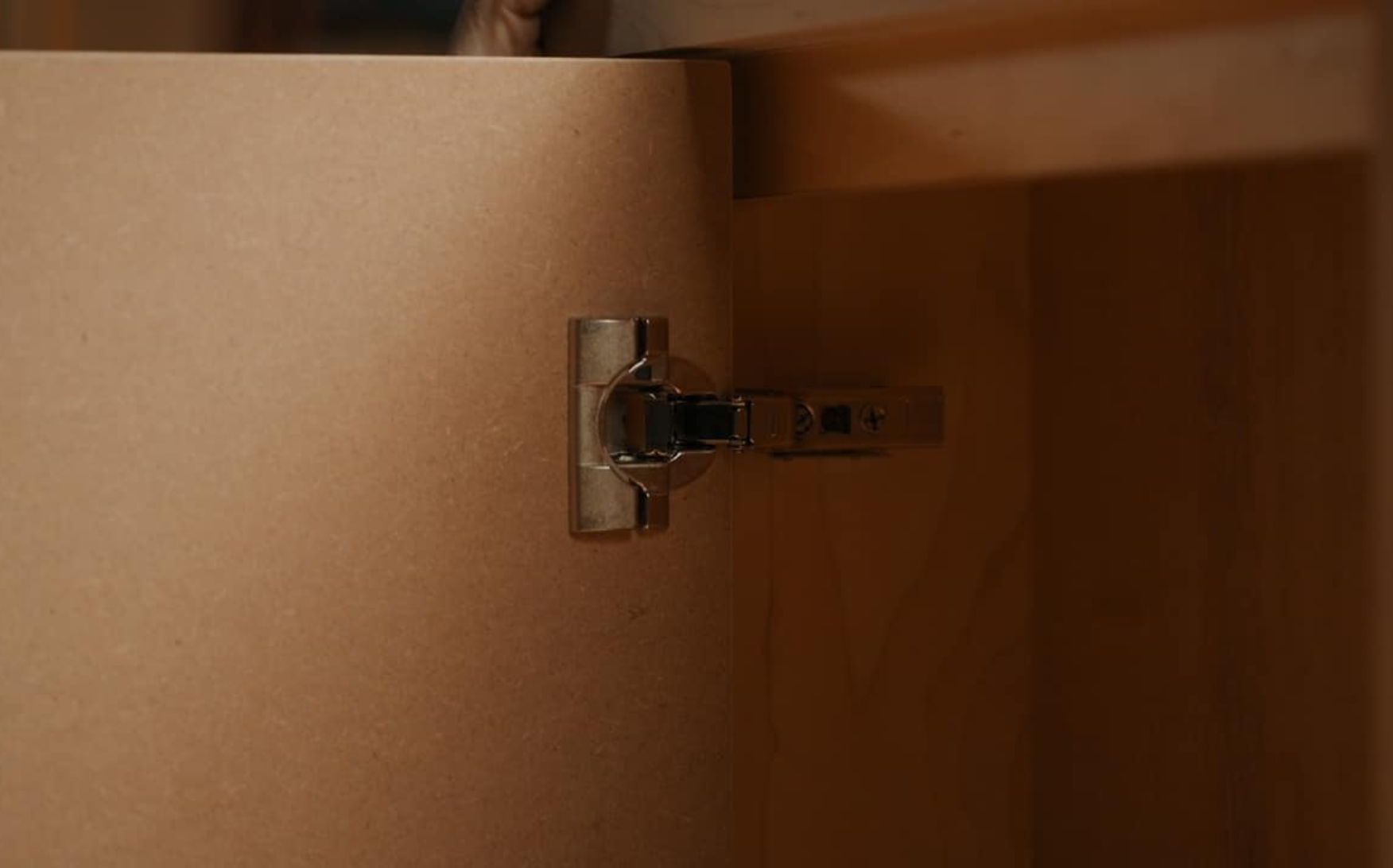
The most commonly used hinges in modern kitchens are European hinges, which are also called concealed hinges. They are not visible outside and are designed with built-in adjustment screws. Whether they are kitchen, bathroom, laundry room, or any other interior cabinets, concealed hinges can be adjusted in these ways:
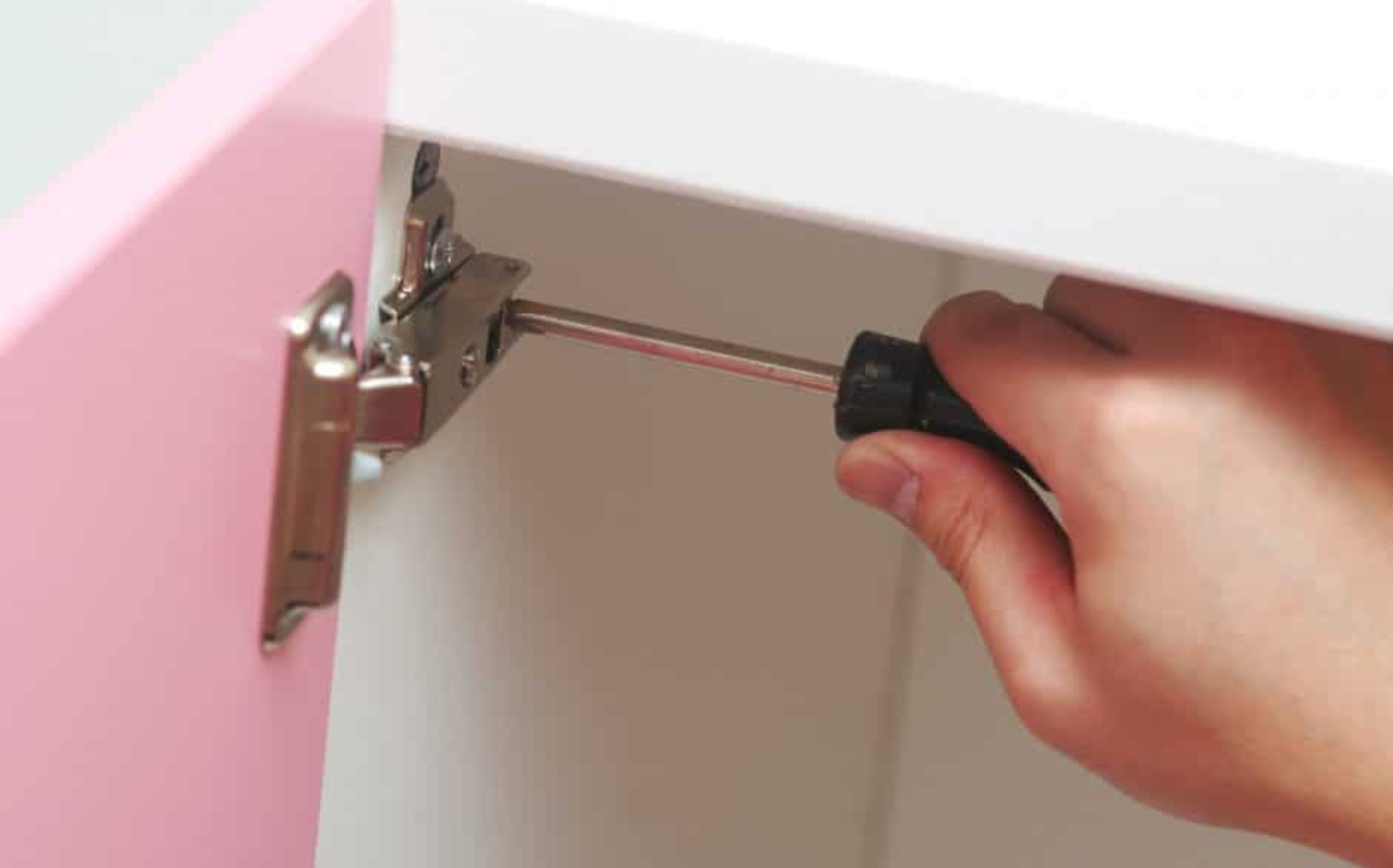
- Side-to-side adjustment: Rotate the side adjustment screw with a Phillips screwdriver until the door moves left or right as needed. This helps create even gaps between cabinet doors.
- Height adjustment: Sometimes the door alignment does not seem balanced. That’s when you should loosen the mounting screws just enough for the door to move. After adjusting it to the desired height, tighten the screws. This approach may not be needed for some high-end hinge systems. They include a built-in height adjustment screw, making this process easier.
- Depth adjustment: Adjust depth screws when the door needs to be closer to or farther from the cabinet. This ensures the door sits properly and closes smoothly.
Semi-Concealed Hinges
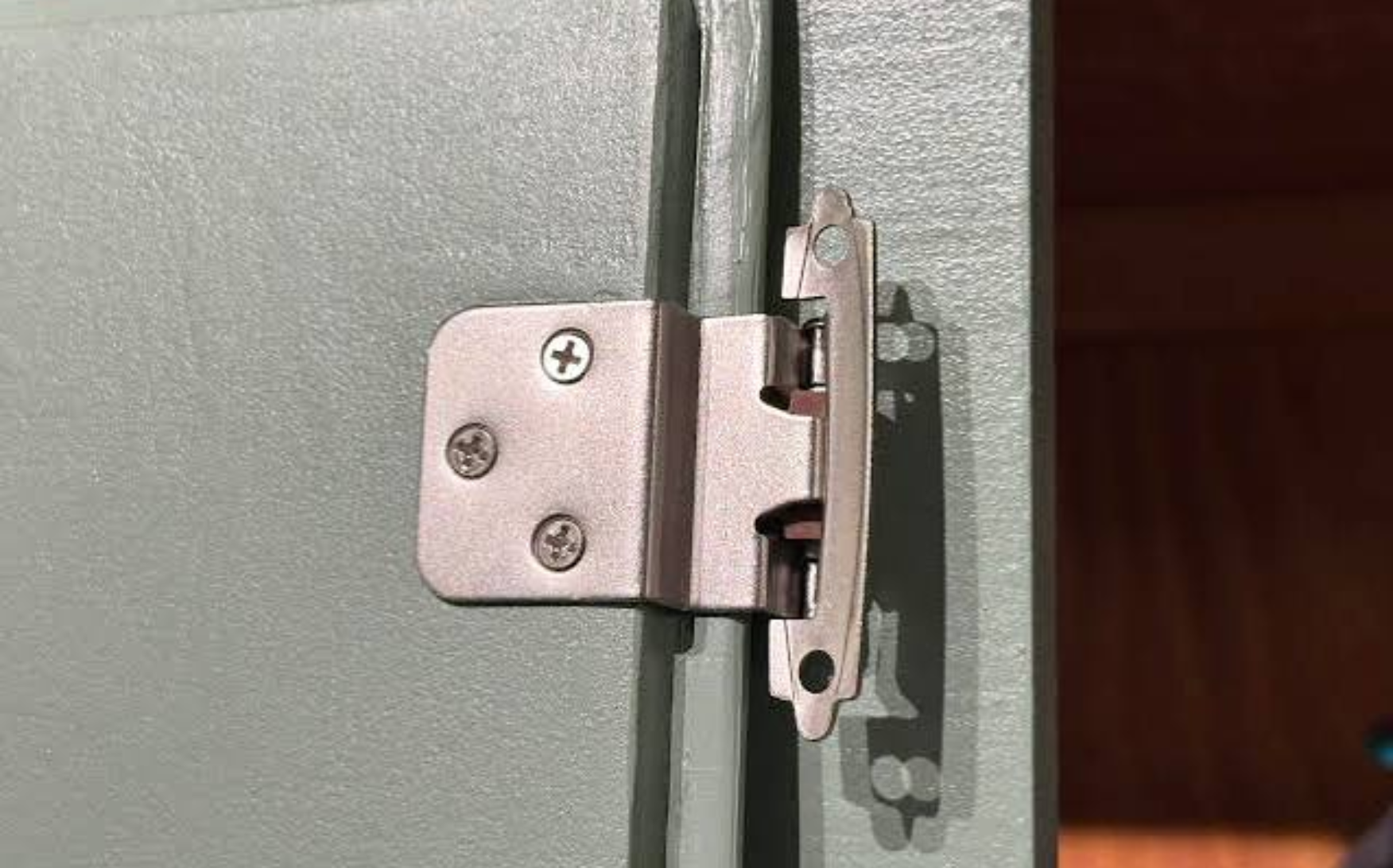
Semi-concealed hinges are partially visible when the cabinet door is closed. This type of hinge is usually seen in traditional and transitional cabinets. The way you have to adjust them depends on the manufacturer and hinge design.
Some models have a small adjustment screw that lets you move the door slightly from side to side. If you cannot find any such screws, here are the possible solutions:
- Loosen the mounting screws
- Reposition the door by hand
- Tighten the screws again
They also work when raising or lowering the door. Due to fewer adjustment options than concealed hinges, you may have to spend more time on their alignment. And multiple attempts to achieve the desired alignment.
Surface Mounted Hinges
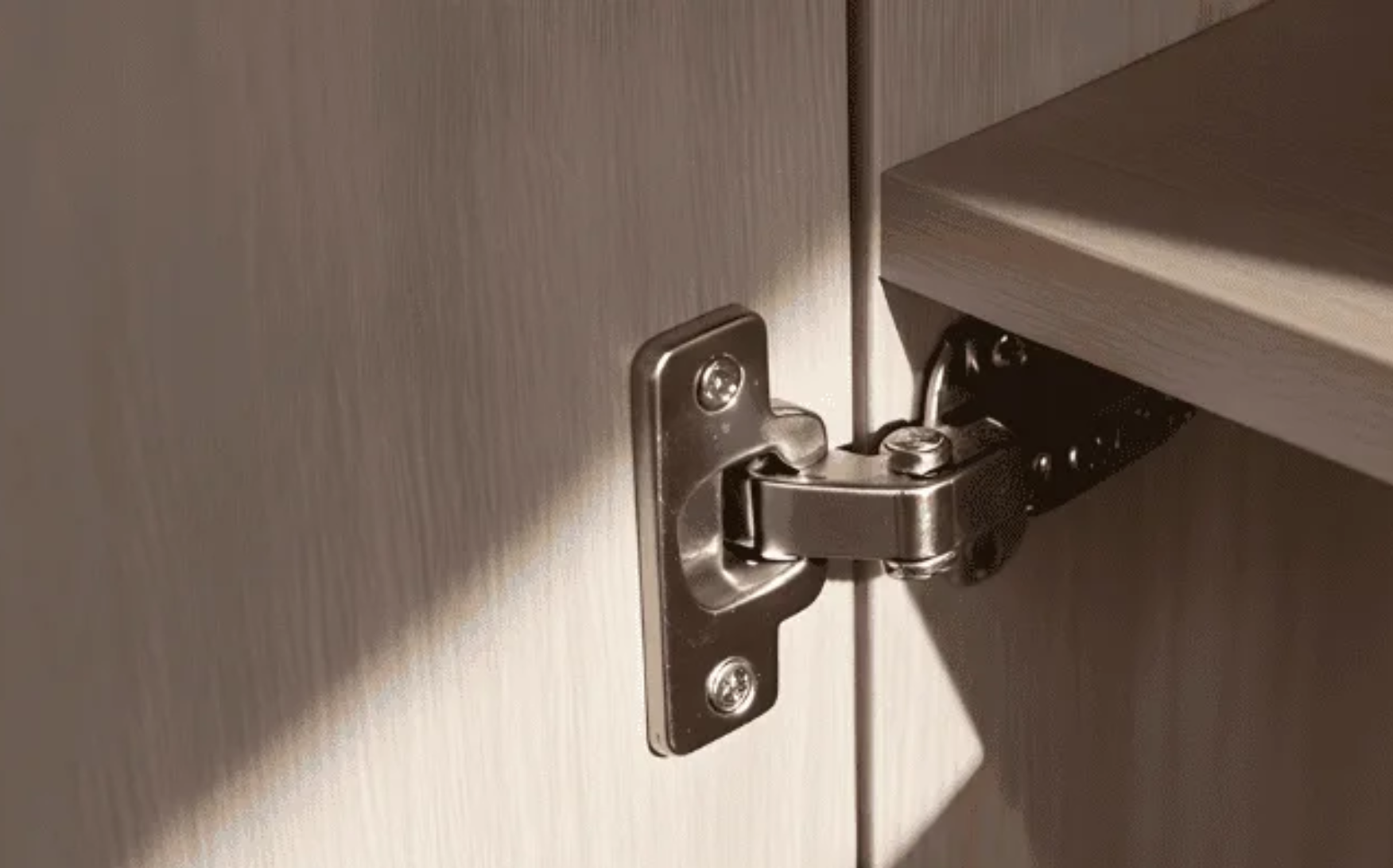
If you think the door positioning is not correct, work on their mounting screws. You can slightly loosen them or stop when the door positions feel even and smooth to open and close. At that point, tighten the screws securely. This is so easy with a screwdriver.
Let me clear up an important thing here. You should not reposition the hinge if the screw holes have become loose or stripped over time. The problem may extend this way. You should focus on repairing the holes. This ensures the door can be properly aligned.
Soft Close Hinges
The soft-close hinge adjustment is similar to concealed hinges. These hinges are a popular upgrade during kitchen remodeling because they improve both functionality and the overall user experience. It includes a built-in mechanism that slows down the door before it closes. This is something really new. The door alignment can be adjusted the same way. The realignment can be done easily by using screws. Move the door left or right, raise or lower it, and bring it closer to or farther from the cabinets. They help improve the door position.
If we talk about its feature, keep in mind that the adjustable soft-close is not for correcting the door placement. You can see a small switch or dial option. It lets you increase or decrease the closing resistance.
How to Adjust Cabinet Hinges Side to Side
Opt for side-to-side adjustment when the gaps between your cabinet doors are not equal, or the door feels slightly off-centre. When you can change the door slightly left or right, creating a more even fit becomes simple.
- Locate the side adjustment screw on the hinge after opening the cabinet door.
- Turn the screw with a Phillips screwdriver, making small quarter-turn adjustments.
- Then, turn the screw with a Phillips screwdriver slightly and check the door after each adjustment. Don’t open it fully.
- Keep checking the door after small turns until the gaps on both sides look even.
- If needed, repeat the same procedure on the other hinge. Don’t forget to open and close the door several times to make sure it moves smoothly.
How to Adjust Cabinet Hinges Up and Down
We often see that a door sometimes hangs lower or higher than the others. This is a common issue after cabinet installation, as doors often require minor adjustments once the cabinets have settled. This is when to choose an up-and-down adjustment. This one ensures the top and bottom edges of doors match those of surrounding doors.
- First, when you open the cabinet door, start loosening the mounting screws on both hinges slightly.
- Be very gentle with lifting or lowering the door. Do it until it is accurately level with the surrounding doors or cabinet.
- At that equal position, hold the door and quickly tighten the mounting screws.
- After doing it, check whether it is successfully fitted by opening and closing the door a few times.